
Do You Need a Permit to Remodel a Home in Houston?
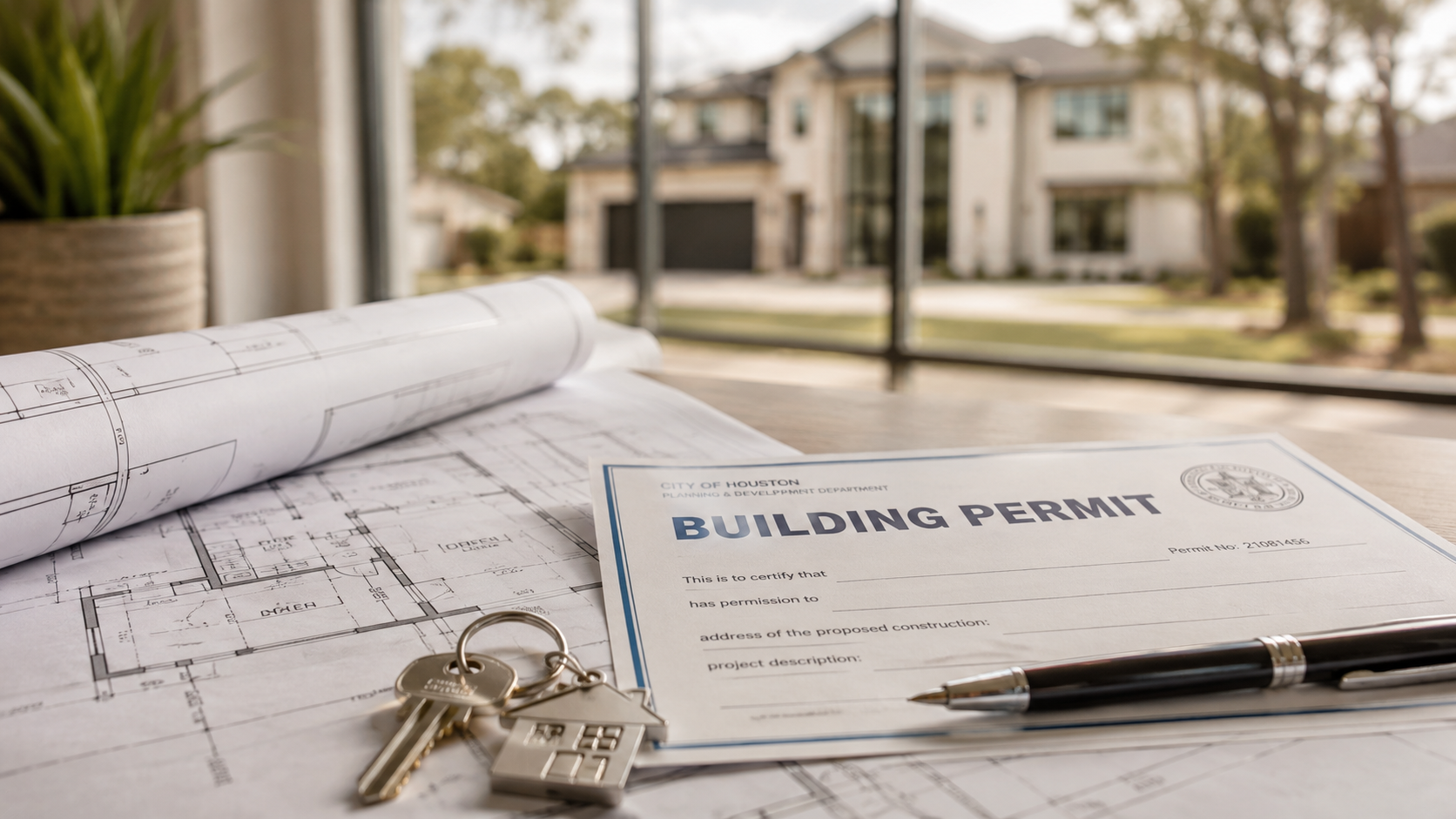
You have chosen the new kitchen layout, found the perfect bathroom tile, and started imagining what your home will look like when the work is finished. Then someone asks a question that can bring the excitement to a sudden stop: “Do we need a permit for this?”
For many remodeling projects in Houston, the answer depends on exactly what you are changing and where the property is located. Painting walls and replacing cabinets are very different from removing a wall, relocating plumbing, or building a home addition.
As a general rule, cosmetic finish work usually does not require a building permit in the City of Houston. Structural changes and work involving plumbing, electrical, or mechanical systems often do. Because Houston-area addresses can fall under several jurisdictions, homeowners should confirm the requirements for their property before construction begins.
Here is how to tell which category your project is likely to fall into—and why taking care of permits before work starts can save you a much bigger headache later.
When Is a Remodeling Permit Required in Houston?
A permit is generally required when a remodeling project changes the structure of the house or modifies regulated building systems.
Common projects that may require permits include:
- Removing or moving walls
- Altering a load-bearing wall
- Building a room or second-story addition
- Converting a garage into living space
- Constructing an accessory dwelling unit
- Relocating plumbing fixtures
- Adding new plumbing lines or drains
- Installing or changing electrical circuits
- Moving outlets, switches, or lighting connections
- Replacing or modifying HVAC equipment or ductwork
- Creating new exterior openings
- Replacing certain exterior doors or windows
- Making significant roof or siding changes
- Completing substantial repairs in a floodplain
The exact permits depend on the work. A whole-home remodel, for example, might require a general building permit along with separate electrical, plumbing, and mechanical permits.
The City of Houston reviews residential remodeling plans based on the disciplines involved. Depending on the project, that review may include structural, electrical, plumbing, mechanical, planning, floodplain, or other departments.
What Remodeling Work Usually Does Not Require a Permit?
Cosmetic improvements that do not affect the structure or regulated systems will generally not require a City of Houston building permit.
Examples may include:
- Interior painting
- Wallpaper installation
- Replacing carpet
- Installing finish flooring
- Replacing countertops
- Replacing cabinets without moving plumbing or electrical connections
- Installing decorative trim
- Replacing cabinet hardware
- Installing tile as finish work
- Making minor drywall repairs
The City has identified painting, papering, tiling, carpeting, cabinets, countertops, and similar finish work among projects that do not ordinarily require permits.
But there is an important catch: one project may include both cosmetic and permitted work.
Replacing kitchen cabinets alone may not require a permit. If the same project moves the sink, adds electrical circuits, installs new gas service, or removes a wall, those portions may require permits.
Likewise, replacing bathroom tile may be finish work, while moving the shower drain, installing new wiring, or changing the room’s layout can trigger permit requirements.
When the scope is mixed, the safest approach is to review the entire project rather than judging each finish separately.
Do You Need a Permit for a Kitchen Remodel?
A basic kitchen refresh may not require a building permit if the project only includes painting, flooring, countertops, cabinet replacement, backsplash tile, and similar surface improvements.
A more extensive kitchen remodeling project will likely involve permitted work if it includes:
- Removing a wall to create an open-concept layout
- Altering a load-bearing structure
- Relocating the sink or dishwasher
- Adding or moving gas lines
- Installing new electrical circuits
- Moving outlets or lighting connections
- Modifying ventilation
- Changing exterior doors or windows
- Expanding the kitchen into another room
Open-concept conversions deserve particular attention. A wall that appears unimportant may carry weight from the roof or floor above it. Removing it without an appropriate structural assessment can lead to sagging, cracking, or more serious damage.
Turnkey Painting and Remodeling can assess the proposed kitchen layout, identify work that may require permits, and coordinate applicable permitting and inspections as part of the project.
Do You Need a Permit for a Bathroom Remodel?
A surface-level bathroom update may not require a general building permit if you keep the existing layout and only replace finishes.
Permit requirements become more likely when bathroom remodeling involves:
- Moving a toilet, sink, bathtub, or shower
- Changing drain, supply, or vent lines
- Adding electrical outlets or circuits
- Relocating switches or light fixtures
- Installing or changing an exhaust system
- Removing or building walls
- Enlarging the bathroom
- Changing structural framing
- Converting another room into a bathroom
A tub-to-shower conversion can fall into different categories depending on its scope. Replacing a bathtub with a shower in the same location may still involve plumbing work, waterproofing requirements, and inspections. Relocating the drain or changing the room’s footprint adds further complexity.
Before assuming that a “small bathroom” means a permit-free project, have the complete scope reviewed by someone familiar with the applicable requirements.
Do You Need a Permit to Remove a Wall?
You should expect a wall-removal project to require closer review, especially when the wall may be load-bearing or contains electrical wiring, plumbing, or mechanical components.
Removing a load-bearing wall generally requires structural planning. The original wall may need to be replaced with an appropriately designed beam, posts, or another support system. Drawings or engineering documentation may be required as part of the permit application.
Even a non-load-bearing wall may contain:
- Electrical outlets and wiring
- Plumbing supply or drain lines
- HVAC ducts
- Gas lines
- Vent pipes
That is why wall removal should not begin based on appearance alone. A contractor should inspect the wall, determine what it supports or contains, and establish the correct permit path before demolition.
Are Permits Required for a Home Addition or ADU?
Home additions, garage conversions, second-story additions, and accessory dwelling units are more involved than interior finish updates. These projects typically require plans, permits, and inspections.
Approval may address:
- Structural design
- Foundation work
- Building setbacks
- Lot coverage
- Electrical systems
- Plumbing and drainage
- Heating and cooling
- Energy-code requirements
- Utility connections
- Floodplain regulations
- Deed restrictions
- Historic-district requirements, where applicable
Houston does not have traditional zoning, but that does not mean homeowners can build anything anywhere on a property. Development regulations, building lines, floodplain requirements, subdivision rules, and private deed restrictions can still affect what is allowed.
An addition should be evaluated before the design is finalized. Finding out later that the proposed structure conflicts with a building line, easement, or floodplain requirement can force an expensive redesign.
City of Houston or Harris County: Which Rules Apply?
One of the most confusing parts of Houston-area remodeling is identifying the correct authority.
A Houston mailing address does not necessarily mean the home is inside the City of Houston. The property may be located in:
- The City of Houston
- Unincorporated Harris County
- Another incorporated city
- A municipal extraterritorial jurisdiction
- Fort Bend, Montgomery, Brazoria, or another nearby county
Properties in Sugar Land, Katy, Pearland, Friendswood, or The Woodlands may have different processes from properties inside Houston city limits. Even within the same general community, jurisdiction can change from one address to another.
Harris County states that a permit is needed for development in its jurisdiction, with floodplain status playing an important role in the review. Separate municipal or trade requirements may also apply.
Before construction begins, confirm:
- Whether the property is inside city limits
- Which county has authority over the address
- Whether the property is in a floodplain
- Whether an HOA or deed restriction applies
- Whether the home is in a historic district
- Which building and trade permits the project requires
Turnkey serves homeowners throughout Greater Houston and can help determine which permitting authority applies to the project location.
What If Your Home Is in a Houston Floodplain?
Floodplain status can add another layer of review to a remodeling project.
The City of Houston advises property owners in mapped floodplain areas to contact the Floodplain Management Office before making certain repairs. Harris County also regulates development in the unincorporated areas of the county through its floodplain rules.
Larger renovations may be evaluated to determine whether they qualify as a “substantial improvement.” This assessment commonly compares the cost of improvements or repairs with the building’s value under the applicable regulations. If the project meets the relevant threshold, additional floodplain-compliance requirements may apply.
Do not assume that interior work is automatically exempt because the exterior footprint is staying the same. Confirm the requirements early if the property has flooded before or appears on a flood map.
Who Is Responsible for Pulling Remodeling Permits?
The contract should clearly state who will apply for permits, pay the fees, schedule inspections, and respond to correction notices.
Depending on the permit type and jurisdiction, applications may be submitted by the property owner, contractor, or an appropriately licensed or registered trade professional.
Texas and Houston do not issue a general professional license for general remodeling contractors. However, regulated trades—including electrical, plumbing, and HVAC work—have their own licensing and registration requirements.
Before hiring a remodeling contractor, ask:
- Which permits does this project require?
- Who will obtain each permit?
- Are permit fees included in the estimate?
- Who will schedule inspections?
- Who completes the plumbing, electrical, and HVAC work?
- How can I verify required trade credentials?
- Will I receive copies of the approved permits and final inspection records?
Be cautious if someone tells you to pull a homeowner permit without explaining why or says permits are unnecessary simply because they add time or expense.
What Happens During the Permit and Inspection Process?
The exact sequence varies, but a permitted remodeling project will commonly follow these steps:
- Define the project scope. The contractor documents what will be removed, changed, or constructed.
- Prepare required plans. Larger or structural projects may require floor plans, site plans, construction details, or engineering documents.
- Submit the application. The application goes to the authority responsible for the property.
- Complete plan review. Reviewers check the plans for applicable building and development requirements.
- Address comments. If reviewers request corrections or more information, the documents are revised and resubmitted.
- Receive the permit. Work covered by the permit can begin after approval and issuance.
- Schedule inspections. Inspectors review required phases of the work before they are covered.
- Complete final approval. The project receives applicable final inspections after the permitted work is finished.
Work that needs inspection should remain accessible until it is approved. Closing a wall or covering plumbing before the required inspection can result in finished work being opened again.
How Long Does It Take to Get a Remodeling Permit?
There is no single timeline for every Houston remodeling permit.
A straightforward trade permit may move faster than a whole-home renovation involving structural plans and several departments. Processing time can be affected by:
- Project complexity
- Completeness of the application
- Engineering requirements
- The number of reviewing departments
- Corrections requested during plan review
- Floodplain or historic-district considerations
- Current workload at the permitting office
Permit planning should be part of the project schedule from the beginning. It should not be treated as a last-minute task after materials arrive or demolition is scheduled.
What Happens If You Remodel Without a Required Permit?
Skipping a required permit can create problems during construction and long after the project is finished.
Possible consequences include:
- Stop-work orders
- Fines or additional fees
- Delays while permits are obtained
- Finished work being opened for inspection
- Required corrections or reconstruction
- Insurance complications
- Questions during a future home sale
- Difficulty documenting that work met applicable codes
- Problems obtaining final approval for later projects
The cost of doing permitted work correctly is usually much smaller than the cost of correcting unpermitted work after walls and finishes have been installed.
Plan Your Houston Remodel With Fewer Surprises
Permits can feel like another obstacle between you and the home you want. In practice, good permit planning helps establish the project scope, coordinate regulated trades, and catch important issues before they become hidden behind new walls and finishes.
Turnkey Painting and Remodeling provides kitchen remodeling, bathroom renovations, whole-home remodeling, luxury renovations, painting services, ADUs and home additions throughout Greater Houston. The team begins with an on-site assessment, prepares a detailed written proposal, and coordinates applicable permits for the agreed project scope.
Planning a remodel in Houston, Sugar Land, Katy, Cypress, Pearland, The Woodlands, Friendswood, River Oaks, or West Houston? Call (281) 589-2000 or request a free estimate to discuss your project.
Permit requirements depend on the property, jurisdiction, and final scope. Always confirm current requirements with the applicable permitting authority before construction begins.